

|
|
 |
Articles
December 3, 2013
Why do we do stupid things?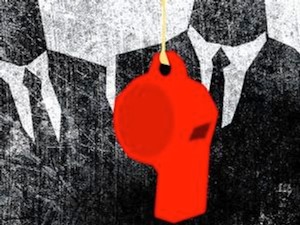
One of our greatest evolutionary advantages is our ability to utilize preemptive thinking, yet we continue to do stupid things in a state of fear. Soon after the attacks on the twin towers and Pentagon, we rushed to approve the Patriot Act which – we came to find out - opened the door for warrantless surveillance on reporters and unsuspecting citizens. In the aftermath of the tragedy at Sandy Hook, there was a mad stampede to put new gun laws on the books – though experts reminded us that the enforcement of existing laws was down 35 percent since the Bush administration. Following the disaster at Fukushima the Japanese government swore off of nuclear power, and once John McAfee blew the cover off of anti-virus software, users started yanking virus protectors off of their computers right and left. Like I said, we do stupid things when we're in a state of fear. At the risk of sounding like Mom – who warned you to "save for a rainy day" and "take a coat with you, just in case. . ." – we ought to take a moment to ask ourselves why it is that preemptive thinking so often takes a backseat to panic. Why do we wait for the problem to be on top of us when we have the ability to prevent it from occurring in the first place? Why do law makers ignore preemptive thinking all together? Take the scandal over Edward Snowden, the NSA contractor who's accused of leaking confidential intelligence documents to the press and other nations. In 2007, we had an opportunity to pave a legal pathway for whistleblowers to report government wrongdoing. Congressman Henry Waxman introduced H.R. 985 - otherwise know as a the "Whistleblower Protection Enhancement Act." The bill offered intelligence workers and other government employees an alternative to going rogue and violating espionage laws that carry the death penalty – an alternative that Private Manning, Snowden, and the rest of the country would have greatly benefitted from. H.R. 985 passed the House by an overwhelming 331 to 94 margin. But it never made it past the Senate or White House because - according to Linda Tripp, one of the most notorious whistleblowers of all time - intelligence agencies expressed fear that the bill would open the gates to a flood of new whistleblowers. "And what's wrong with that?" Tripp said. "I'd rather have a whistleblower come forward with evidence of (government) malfeasance, illegal activity, fraud, waste, and abuse, and let them have a path through Congress, and judiciary redress, where they have the protection of the court." We're not just talking about establishing an ethical, legal way for new whistleblowers to do their duty without fear of retribution. We're talking about the failure to act in advance of every danger and disaster we can already see on the horizon. But consider this: our ability to do thought experiments that result in risk reduction - to envision the future consequences of our actions - has been three and a half billion years in the making. It's one of the greatest evolutionary advantages ever created – and the key to the continuation of our species. Simply put, with preemptive thinking comes risk reduction. And with risk reduction, improved opportunities for success. Why doing stupid things takes precedence over preemptive thinkingWhy aren't we using one of our greatest evolutionary advantages? The answer to this question lies deep in the mysteries of our genetic inheritance. Nature may have equipped our brains with logic and preemptive thinking, but the rest of our body is hardwired to respond to immediate danger. When we encounter a bear in the woods our bodies instantly fill with adrenalin and we are ready for fight or flight. But a growing deficit? Climate change? Energy shortages? Risk reduction isn't hardwired the same way. Just ask any twenty-something about how to solve these problems and watch them reach for their phone to check Facebook. While we have been blessed with the ability to head off many scandals and disasters before they occur, more often than not we wait until the "fiscal cliff" is upon us, the hurricane is coming ashore, or new whistleblowers take their information public because we failed to establish an alternative. If there are leaders and citizens who believe that risk reduction through preemptive thinking is possible, then perhaps we will consider bringing back H.R. 985, reexamining the Patriot Act, enforcing the gun laws we already have, and stop letting fear drive public policy. Like I said, we do stupid things when we're in a state of fear. |
|

Articles
2021
October
July
February
2020
March
2019
December
January
2018
February
January
2017
December
October
September
August
July
Article Archive >
|
 |
|
 |